A Keystone of Health
Dental care for dogs and cats


Dental Disease Symptoms
Dental disease is one of the most common medical conditions in pets — in fact, at least 80% of dogs and 70% of cats have some form of dental disease by the time they’re 3 years old. As with many medical conditions — pets tend to hide their discomfort until the pain gets worse. When in doubt, an evaluation by your veterinarian can help determine if there’s a dental problem.
- Chewing on one side of the mouth
- Swollen or bleeding gums
- Reluctance to eat hard food
- A foul mouth odor
- Facial swelling
- Broken, chipped, or discolored teeth
Preventative Dental Care
Dental disease in cats and dogs is incredibly common and if left untreated, can lead to dangerous health conditions. While we include a dental health exam as part of your pet’s regular exam, good pet dental care should start at home. Prevention is always the best medicine, and these tips below can prevent a routine dental cleaning from becoming an oral surgery (where teeth need to be removed) for severe dental disease.


As your pet becomes an adult, dental exams & cleanings become a regular part of your pet’s annual checkups. Dental cleanings are done under anesthesia and are generally same day drop offs. You should plan to drop off your cat or dog in the morning and pick them up later in the afternoon. This flexibility enables us to fully clean your pets teeth, while allowing some flex time should major animal emergencies take place with other patients. We will monitor your pet as they wake up from the anesthesia and ensure your cat or dog has recovered properly.
Preparing For A Dental Cleaning
Call Now
Before Dental Cleaning

Unless your pet requires a more serious dental procedure than a cleaning, our dental cleanings are typically same day discharge. On the day of your pets procedure it is important that your pet has nothing to eat or drink after midnight on the day before.
For your pets comfort, we suggest bringing something that smells like home to leave with your pet – like a blanket or a shirt you slept in overnight.+
During Dental Cleaning
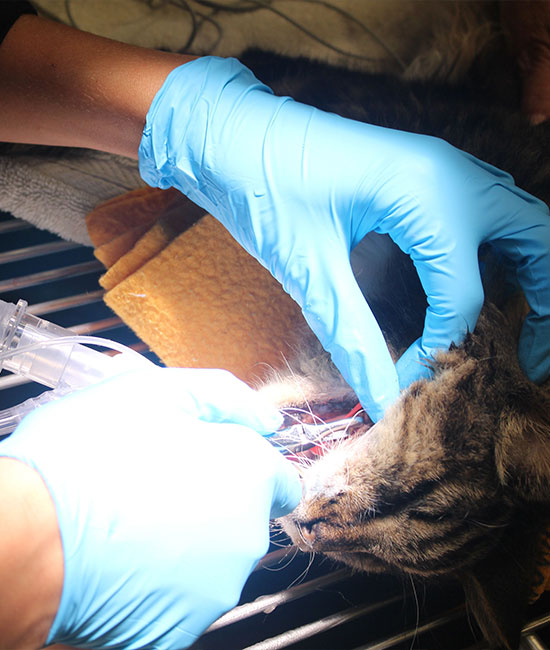
Typically, if a tooth requires surgical extraction, it is noticed during the initial dental exam. At this time, you have the option of approving additional measures if they are necessary. This helps reduce the risk of unnecessary anesthesia and additional procedures.
If your cat or dog has an issue during the dental cleaning, we will always do our best to contact the pet parent. If we find that your pet requires a tooth extraction during their dental cleaning, we will call you for approval to remove the tooth. +
Dental Discharge

Make sure to follow your take home care instructions & call us at 607-547-8488 if you have any concerns.+
To start, a veterinarian will evaluate your pet’s mouth, as well as their overall health. Then, if recommended, we’ll schedule their procedure for you. Get started by scheduling a dental evaluation by calling us at (607) 547-8488. We look forward to helping you keep your companion in good health — and, to helping you enjoy your time cuddling together, without any stinky breath!